AI-generated mockups for print on demand allow e-commerce sellers to create hyper-realistic, lifestyle product imagery using artificial intelligence instead of expensive photoshoots or generic supplier flatlays. By integrating AI mockup generators with automation tools like PallFlow, print-on-demand store owners can instantly scale unique visual content across hundreds of Shopify and Etsy listings.
Traditional print-on-demand mockups often look stiff, generic, and uninspiring. When every seller uses the exact same supplier placeholder images, customer trust and click-through rates decline. Highlighting your designs in realistic, emotive environments is essential for standing out in crowded marketplaces.
Why Standard POD Mockups Hurt Your Conversions
Most POD platforms offer basic, flat-lay templates. While convenient, these images fail to tell a story. Shoppers on Shopify and Etsy buy based on aspiration and context.
When a customer sees a generic mockup, they immediately recognize it as drop-shipped. This creates subtle friction in the buying decision. Furthermore, algorithms on marketplaces like Etsy favor listings with diverse, high-quality visual assets. Relying on default supplier images caps your organic reach.
The Shift to Lifestyle Imagery
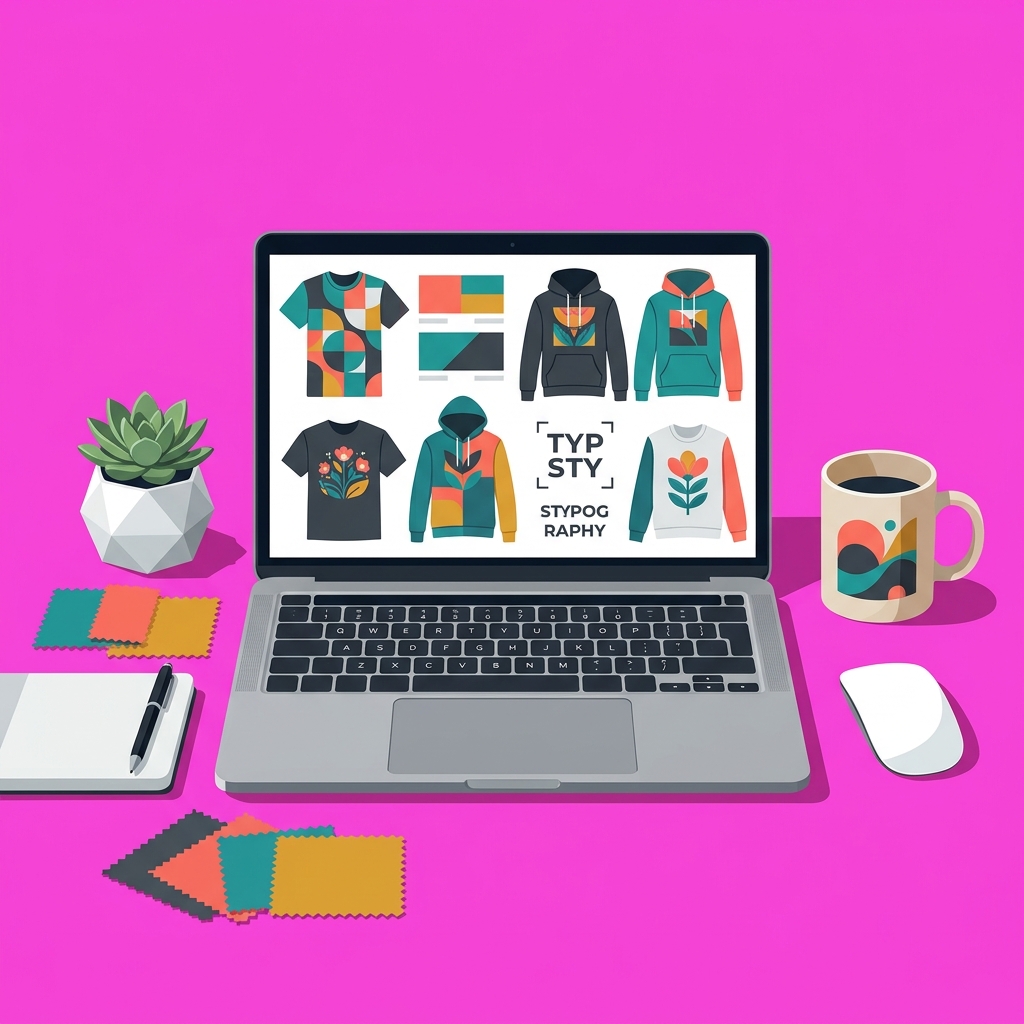
Lifestyle mockups place your t-shirts, mugs, and hoodies on diverse models in real-world settings—a coffee shop, an autumn park, or a minimalist apartment. Historically, creating these images required hiring photographers, renting studios, or wrestling with complex 3D rendering software. Today, AI changes the economics entirely.
Top Tools for AI-Generated Mockups
Several specialized tools have emerged to help print-on-demand sellers generate photorealistic mockups using AI.
- Midjourney & Stable Diffusion: Incredible for creating custom background environments and realistic lighting. While they require prompt engineering, they offer unmatched creative control for unique aesthetic styles.
- Dedicated AI Mockup Generators: Platforms built specifically for e-commerce allow you to upload your PNG design, select a model demographic and setting, and instantly render your artwork onto fabric or hard goods with correct folds and shadows.
- Automation Platforms (e.g., PallFlow): Rather than generating mockups one by one, modern print-on-demand automation tools bridge the gap between design generation, mockup creation, and bulk publishing directly to your storefronts.
Step-by-Step: How to Automate AI Mockups at Scale
If you manage an catalog of 500+ SKUs, creating AI mockups manually is a massive bottleneck. True scalability requires an end-to-end automated workflow.
Step 1: Standardize Your Source Files
Ensure your design assets are exported as high-resolution transparent PNGs. Consistent sizing and transparent backgrounds ensure that AI placement algorithms position your graphics accurately onto apparel templates without awkward cropping.
Step 2: Connect Your Design Engine to an Automation Tool
Instead of jumping between multiple tabs, use a unified POD automation SaaS like PallFlow. Connect your Shopify and Etsy stores so that product metadata, pricing, and tags sync automatically with your newly generated visuals.
Step 3: Bulk Generate and Publish
Configure your automation pipeline to take your batch of designs, apply them to your chosen AI-rendered mockup templates, and push the optimized listings live. This slashes the time required to launch a new collection from days to mere minutes, keeping your storefront fresh and active.
Best Practices for High-Converting POD Mockups
Maximizing sales requires more than just generating random images. Follow these guidelines to ensure your AI mockups convert casual browsers into paying customers:
- Match Your Niche: If you sell vintage camping apparel, place your AI-generated models in wooded, rustic outdoor settings rather than a sleek urban loft.
- Prioritize Clarity: Ensure the design remains the hero of the image. Avoid overly busy backgrounds that distract from the typography or graphic.
- Test and Rotate: Use marketplace analytics to track which mockup styles drive the highest click-through rates, and refresh underperforming listings with alternative AI backdrops.